Sage Seeds
Salvia officinalis Common Sage
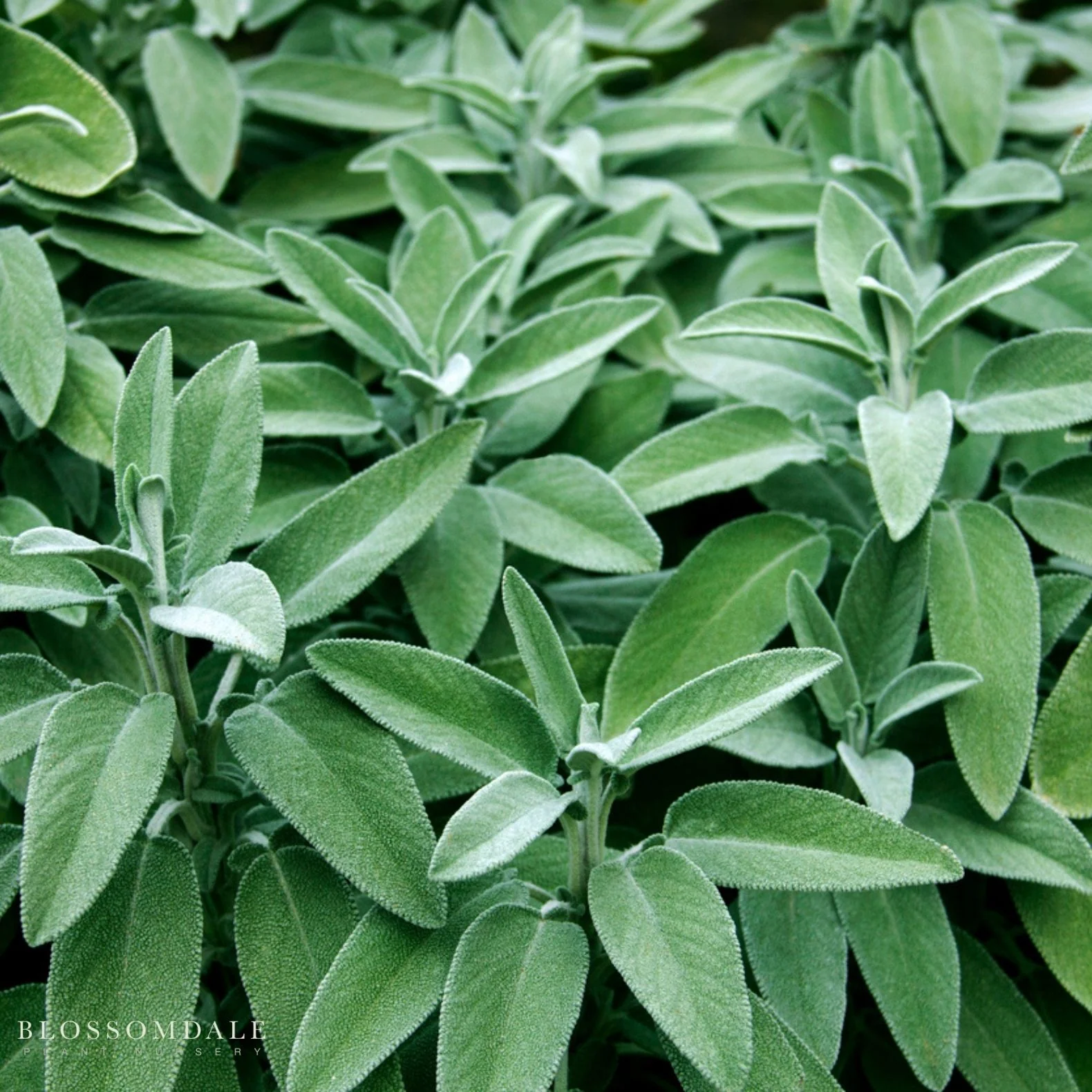
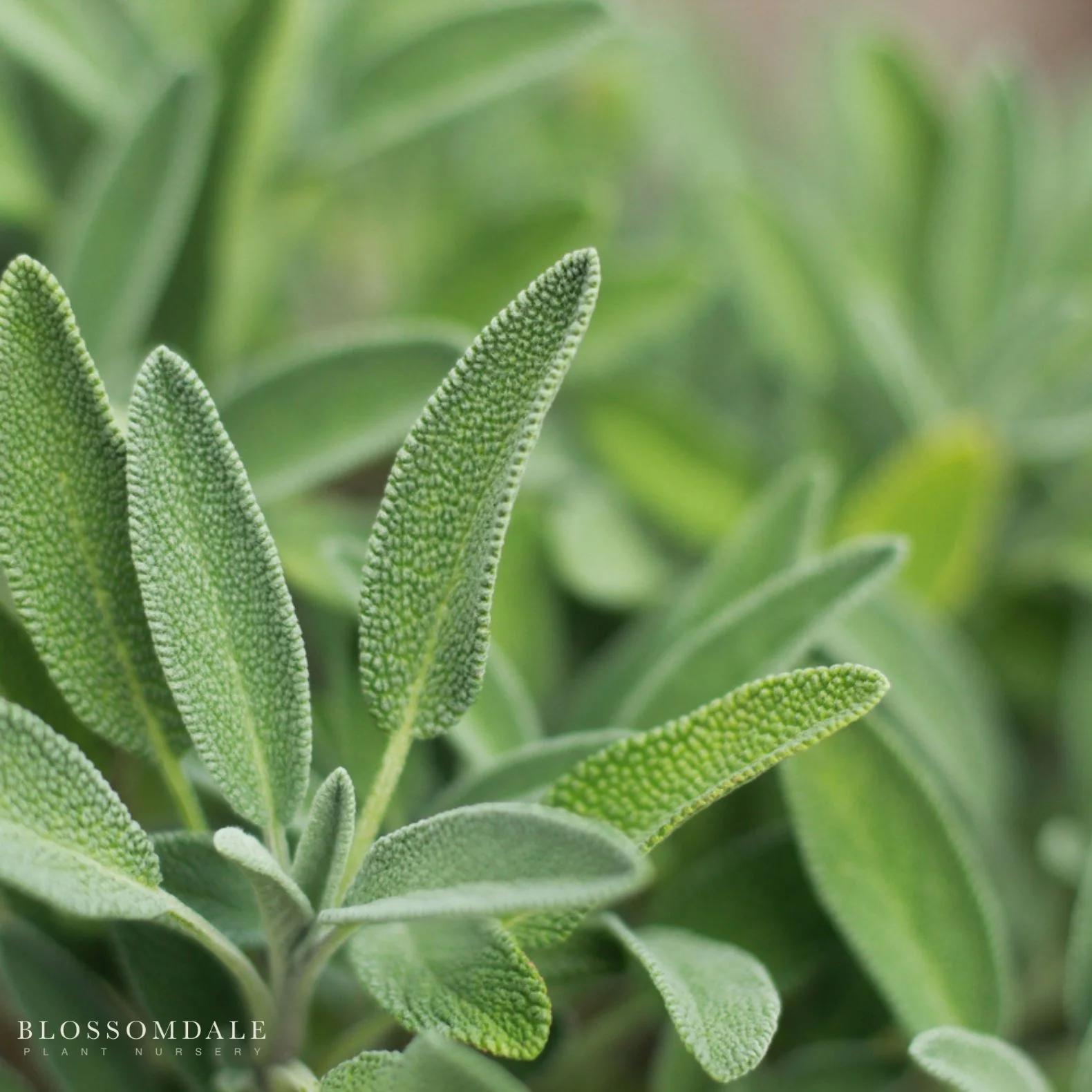
Salvia officinalis Common Sage is a handsome, woody-stemmed perennial herb, valued for its pebbled, silver-green foliage and earthy, pine-like aroma. Growing to about 18 to 30 inches tall with a spread of 18 to 24 inches, this variety is perfect for kitchen gardens, ornamental borders, and container plantings where both culinary utility and drought-tolerant beauty are desired. Unlike tender leafy herbs, sage maintains its structure well into the colder months, offering a display of velvety leaves that persist through light frosts while providing a year-round harvest in milder climates.
Culinary and Practical Uses
- The textured, aromatic leaves are a staple in holiday cooking, adding a warm, savory depth to stuffing, sausages, roasted poultry, and rich winter stews.
- The leaves are classic when fried in brown butter to create a crispy garnish for pasta, gnocchi, and squash dishes.
- Traditionally used in herbal practices as a tea to soothe sore throats, support digestion, and reduce inflammation.
Characteristics
- Foliage: Oblong, rugose (wrinkled), gray-green leaves with a soft, fuzzy texture and intense musk-like fragrance; ideal for drying or using fresh in hearty dishes.
- Growth Habit: Rounded, woody sub-shrub that becomes dense and bushy with age; suitable for rock gardens and edging pathways.
- Flowers: Produces tall spikes of two-lipped, blue to purple blossoms in early summer, which are highly attractive to bees and butterflies and are also edible.
- Seeds: Harvested after flower spikes brown and dry; the small, round dark seeds shake easily from the calyxes and can be saved for future planting.
Growing Requirements
- Sun: Thrives in full sun; requires at least 6 to 8 hours of direct sunlight daily to prevent mildew and ensure strong essential oil production.
- Soil: Adapts to average soil types but demands well-draining, sandy or loamy soil; sage hates "wet feet" and will rot in heavy, waterlogged clay.
- Water: Requires low to moderate watering; once established, plants are drought-tolerant and prefer the soil to dry out slightly between waterings.
- Spacing: Plant seeds or transplants 18 to 24 inches apart to ensure excellent air circulation, which is critical for maintaining healthy foliage.
- Maintenance: Prune woody stems back in early spring to encourage fresh, tender growth; replace plants every 3 to 4 years if they become too woody or straggly.
Shipping Info
Salvia Sage seeds ship as fresh, high-quality, viable seeds that are carefully packaged for stability and protection from damage during transit. Prompt shipping supports reliable germination and seasonally appropriate planting.
Original: $3.99
-70%$3.99
$1.20Product Information
Product Information
Shipping & Returns
Shipping & Returns
Description
Salvia officinalis Common Sage
Salvia officinalis Common Sage is a handsome, woody-stemmed perennial herb, valued for its pebbled, silver-green foliage and earthy, pine-like aroma. Growing to about 18 to 30 inches tall with a spread of 18 to 24 inches, this variety is perfect for kitchen gardens, ornamental borders, and container plantings where both culinary utility and drought-tolerant beauty are desired. Unlike tender leafy herbs, sage maintains its structure well into the colder months, offering a display of velvety leaves that persist through light frosts while providing a year-round harvest in milder climates.
Culinary and Practical Uses
- The textured, aromatic leaves are a staple in holiday cooking, adding a warm, savory depth to stuffing, sausages, roasted poultry, and rich winter stews.
- The leaves are classic when fried in brown butter to create a crispy garnish for pasta, gnocchi, and squash dishes.
- Traditionally used in herbal practices as a tea to soothe sore throats, support digestion, and reduce inflammation.
Characteristics
- Foliage: Oblong, rugose (wrinkled), gray-green leaves with a soft, fuzzy texture and intense musk-like fragrance; ideal for drying or using fresh in hearty dishes.
- Growth Habit: Rounded, woody sub-shrub that becomes dense and bushy with age; suitable for rock gardens and edging pathways.
- Flowers: Produces tall spikes of two-lipped, blue to purple blossoms in early summer, which are highly attractive to bees and butterflies and are also edible.
- Seeds: Harvested after flower spikes brown and dry; the small, round dark seeds shake easily from the calyxes and can be saved for future planting.
Growing Requirements
- Sun: Thrives in full sun; requires at least 6 to 8 hours of direct sunlight daily to prevent mildew and ensure strong essential oil production.
- Soil: Adapts to average soil types but demands well-draining, sandy or loamy soil; sage hates "wet feet" and will rot in heavy, waterlogged clay.
- Water: Requires low to moderate watering; once established, plants are drought-tolerant and prefer the soil to dry out slightly between waterings.
- Spacing: Plant seeds or transplants 18 to 24 inches apart to ensure excellent air circulation, which is critical for maintaining healthy foliage.
- Maintenance: Prune woody stems back in early spring to encourage fresh, tender growth; replace plants every 3 to 4 years if they become too woody or straggly.
Shipping Info
Salvia Sage seeds ship as fresh, high-quality, viable seeds that are carefully packaged for stability and protection from damage during transit. Prompt shipping supports reliable germination and seasonally appropriate planting.